
Injection
Tesamorelin
A peptide that targets stubborn abdominal fat and supports a leaner body composition, prescribed and monitored by a licensed clinician.
Starting at $179/mo
Research peptideImmune
RxPrescription onlyInjected under the skin · Twice a week · 1.6 mg · Research peptide · Immune
Starting at $209/mo
A research peptide derived from the thymus gland, studied for immune function and recovery, used off-label to support immunity and healing.
Choose your plan
Real prices from our pharmacy. Longer plans cost less per month and are billed up front. Pause or cancel anytime.
Every plan includes
(T-alpha-1; a thymic hormone)
Thymosin Alpha-1 is a peptide the thymus gland produces to train and activate immune cells, especially T-cells. Thymus function declines sharply with age. Thymosin Alpha-1 is prescribed off-label to support immune function and recovery, based on preclinical evidence and some clinical experience, not large approved trials.
Thymic
hormone that declines with age, driving immune decline
Some clinical work in immune and infection contexts; most modern evidence is preclinical. Prescribed off-label at your physician's discretion.

Day 1
A US-licensed physician reviews your goal, health history and reasons to try this early-stage peptide. You discuss the evidence and the unknowns together.
Week 1
A small subcutaneous injection, usually in the abdomen or near the site you're treating. Most people find the routine comfortable within days.

Week 2–4
Signaling and recovery processes begin. Many report improved energy or easier movement, depending on the peptide.

Month 2+
Your physician checks in, adjusts dose if needed, and follows relevant labs (IGF-1, immune markers, etc.). Tell them everything you notice.
Slower feedback
early-stage therapies take time and close monitoring
Individual response
outcomes vary widely because evidence is limited
Physician partnership
your role is to communicate closely at every check-in
Informed choice
you understand the evidence gap before starting
Individual results vary. Benefits reflect what Zepym Health members commonly report to their physician at check-ins; they are not the results of a clinical trial.
Important safety information and common side effects
Research peptides are prescribed off-label and carry more uncertainty than established therapies. Common, mild effects include redness, itching or a bump at the injection site, headache, or flushing in the first days. Because these peptides support cell growth or immune signaling, they are not prescribed with an active cancer, a cancer under evaluation, or during pregnancy or breastfeeding. Some (IGF-1) require careful glucose monitoring. Tell your physician about every medication you take, every supplement, and your complete health history, including any autoimmune conditions. Stop and seek care for hives, swelling of the face or lips, or trouble breathing.
A thymus-derived peptide that acts on immune cells. The largest human trial, in sepsis, found no mortality benefit. Its only approval we could cite is in some Asian countries, not the US.
In 1,089 adults with sepsis in 22 centres in China, 28-day deaths were 23.4% with thymosin alpha-1 and 24.1% with placebo, a difference that was not significant. Dosing was every 12 hours for seven days.
Wu et al., BMJ 2025 (TESTS)In the same trial, the diabetes subgroup had a hazard ratio of 0.58 (0.35 to 0.99) and the under-60 group 1.67 (1.04 to 2.67). The authors describe these as potential differential effects, not confirmed benefits.
Wu et al., BMJ 2025 (TESTS)The 2015 Asian-Pacific hepatitis B guideline says thymosin alpha-1 has been licensed in some Asian countries. We did not check current regulator records, so this page gives no count of approvals.
Sarin et al., Hepatology International 2016 (APASL 2015 update)What the studies found
The sepsis trial gave seven days of injections in adults with sepsis, not the schedule of any hepatitis or wellness use. No trial of injections for healthy adults, immunity or longevity was found.
What this does not say
In laboratory and animal studies, thymosin alpha-1 activates and expands T-cell populations, enhancing immune response and reducing excessive inflammation.
Human evidence is limited and older. Your physician explains this and uses it based on clinical judgment, with close attention to immune markers if appropriate.
Connect with a physician
Answer a few questions online and a US-licensed physician reviews your health, history and goals to make sure treatment is right for you. 100% online. No in-person visit required.
Get your discreet shipment
If approved, your treatment is compounded by a US-licensed, LegitScript-certified pharmacy, inspected for quality, and shipped discreetly to your door.
Receive continuous support
Start with one goal, then keep building over time. Unlimited physician messaging, easy refills and dose adjustments, all from the Zepym Health app.
Injected under the skin, twice a week. The starting prescription is 32 units (1.6 mg) each time. Your physician sets your own dose and it is printed on your label.
1 vial at the starting strength, shipped to your door from a licensed US pharmacy.
For immune support in people recovering from illness or looking to strengthen immunity with age. It is not a substitute for vaccines or standard immune care. Your physician decides whether it fits your history and goals.
Off-label means not FDA-approved for these specific uses, but prescribed by physicians based on preclinical evidence and clinical experience. It is common in medical practice; your physician explains the evidence and the gaps.
Usually a small subcutaneous injection once daily or a few times a week, depending on the peptide. Your physician sets the schedule and adjusts it as needed. The kit includes everything.
Honest answer: early. Preclinical and animal data are promising; human data are limited or absent. Your physician explains this plainly and monitors you closely. If you prefer established therapies, tell them.
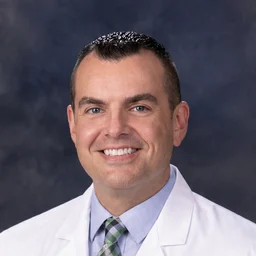
Thymosin Alpha-1 educational content reviewed by our physician
Scott Nass, MD Doctor of Medicine, board-certified in Family Medicine
Charles R. Drew University and David Geffen School of Medicine at UCLA. Family Medicine residency at Ventura County Medical Center.
Injection
A peptide that targets stubborn abdominal fat and supports a leaner body composition, prescribed and monitored by a licensed clinician.
Starting at $179/mo
Troche
The same growth hormone-releasing peptide as a dissolving troche, for people who would rather skip injections.
30 troches per month
Starting at $209/mo
Injection
Two peptides that prompt your pituitary to release your own growth hormone, used for deeper sleep, recovery and body composition. Prescribed and dosed by a licensed physician.
Starting at $229/mo
Injection
A peptide studied for tissue repair and recovery, used to support healing of muscle, tendon and gut after injury or hard training. Prescribed and dosed by a licensed physician.
Starting at $209/mo
Prescription products require an online evaluation with a licensed medical professional who will determine if a prescription is appropriate. Products are compounded by a licensed pharmacy. The FDA has not reviewed or approved compounded products for any use for safety, efficacy, or quality. Compounded medications are not FDA-approved brand-name products.